NOW IN NETWORK WITH BLUE CROSS BLUE SHIELD AND CIGNA

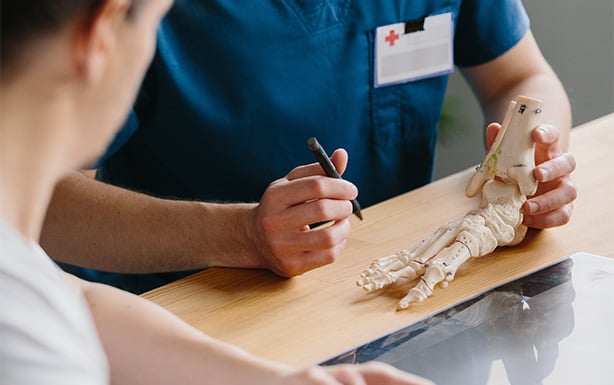
What Causes Neuropathy?

Neuropathy develops when nerves outside the brain and spinal cord become damaged or dysfunctional—often resulting in burning, tingling, numbness, or muscle weakness, most commonly in the hands and feet. It can affect a single nerve (mononeuropathy) or multiple nerves (polyneuropathy), and symptoms frequently progress over time. Although diabetes is the most common cause, neuropathy may also stem from chemotherapy, trauma, repetitive stress, prior surgeries, or no identifiable cause at all (idiopathic neuropathy). 

In many cases, trapped nerves in tight areas of the body make neuropathy symptoms worse. When that happens, surgery to relieve the pressure can provide lasting relief—especially when other treatments haven’t worked.

What Causes Neuopathy

Check Your Symptoms: Are You Experiencing Any of the Following?

  • Numbness or tingling in your hands, arms, feet, or legs
  • Burning pain that worsens at night
  • Muscle weakness or trouble with grip, balance, or walking
  • Hands or feet that feel cold, even when warm to the touch
  • Difficulty buttoning clothes, picking up objects, or lifting your foot
  • Ulcers, wounds, or pressure sores that don’t heal
  • Reduced sensitivity to temperature, texture, or touch

If you said yes to any of the above, you may be a candidate for nerve decompression surgery.

What is Nerve Decompression for Neuropathy Relief?

Nerve decompression is a specialized surgical procedure used to relieve pressure on peripheral nerves that become trapped in tight anatomical spaces—whether in the arms, hands, legs, or feet. Common compression sites include the tarsal tunnel (ankle), fibular neck (knee), peroneal groove (lower leg), as well as the ulnar nerve (elbow) and median nerve (wrist). During surgery, our peripheral nerve specialists carefully release the affected nerve by removing surrounding tissue or widening the space around it. This restores healthy blood flow, reduces inflammation, and creates the conditions for nerve recovery—often preventing further degeneration and restoring lost function.

Nerve decompression is a proven, evidence-based approach to neuropathy treatment, supported by decades of clinical data. In fact, studies show that up to 90% of qualified patients experience meaningful, lasting improvements in pain, sensation, and mobility following surgery.

Find Out If You’re Eligible for Nerve Decompression Surgery in New Jersey

See How We’re Changing Lives,
One Patient at a Time

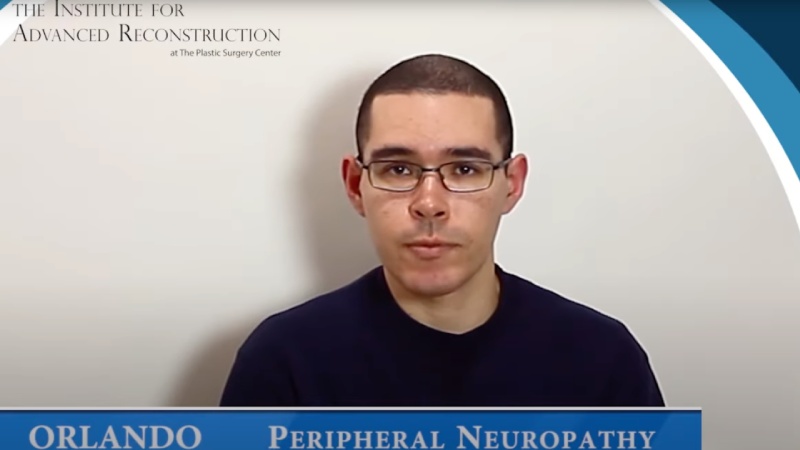
Peter’s Story: Life After Nerve Decompression Surgery for Diabetic Neuropathy 

peripheraltn
“I noticed the effects right away...the numbness and tingling were almost non-existent.”
John’s Journey:
Neuropathy Relief After Nerve Decompression Surgery
maxresdefault (2) (1)
“Since the surgery, I get out of bed like I’m 16 again—that has been the best part of this.”
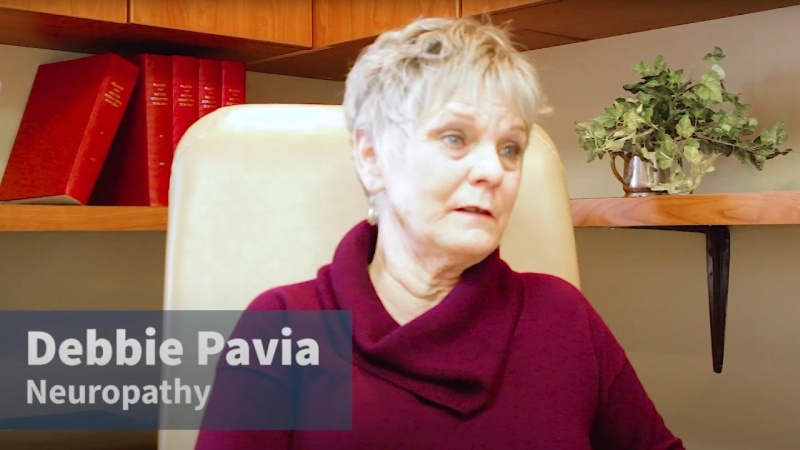
Post-Chemo Neuropathy: How Maria Found Relief with Nerve Decompression Surgery

debbietn
“As soon as I got out of surgery, I wiggled my toes. I hadn’t done that in years.”

What Are the Benefits of Nerve Decompression for Neuropathy?

Neuropathy (T2) - icons_icon-person-walking
Walk, stand, or drive without burning or numbness
Neuropathy (T2) - icons_icon-person-riding-bike
Regain strength and control in your hands or feet
Neuropathy (T2) - icons_icon-moon-with-Zs
Sleep better without nerve pain waking you up
Neuropathy (T2) - icons_icon-thumbs-up
Get back to daily activities without constant discomfort

Am I a Candidate for Surgery?

Not all neuropathy is caused by compression—but if your symptoms are linked to trapped nerves, surgical decompression may help where other treatments haven't.

You may be a candidate if you have:

  • Diabetic neuropathy with focal symptoms (burning, tingling, numbness)
  • Positive findings on Tinel’s sign, EMG, or PSSD
  • Numbness, pain, or weakness that interferes with walking or balance
  • Persistent symptoms despite medications or wound care
  • Idiopathic or post-traumatic neuropathy with localized nerve entrapment
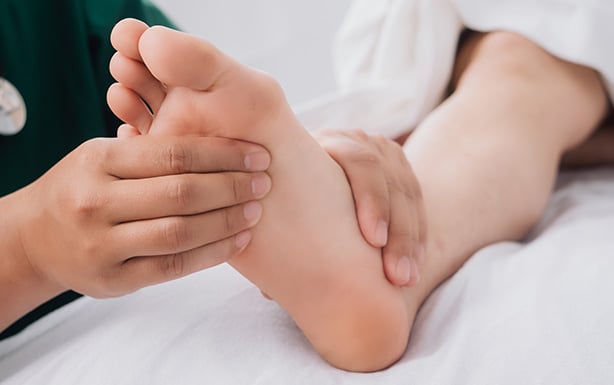
Am I a Candidate for Surgery
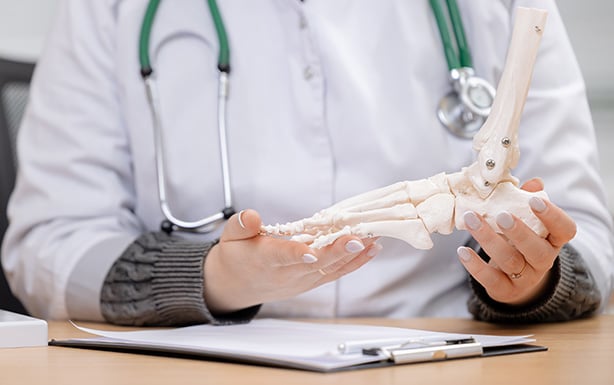
Why is Neuropathy Often Misdiagnosed

Why is Neuropathy Often Misdiagnosed?

Neuropathy is often misdiagnosed (or overlooked entirely) because its symptoms can mimic other conditions, such as plantar fasciitis or sciatica, and early treatments like medication or physical therapy don’t always address the root cause. Many providers do their best with the tools available, but without specialized testing and expertise in nerve anatomy, compression-related neuropathy can go undetected. The Institute of New Jersey focuses on identifying these often-missed causes—giving patients new answers and referring providers a trusted partner for advanced evaluation and surgical care.

Why is Neuropathy Often Misdiagnosed

Considering Nerve Decompression for Neuropathy? What to Expect:

Precision Diagnostics

Before recommending surgery, we use a combination of tools—such as physical exams, nerve conduction studies (EMG), pressure-specified sensory testing (PSSD), and imaging—to pinpoint where your nerves may be compressed. We only move forward with decompression when there’s clear evidence of entrapment, so you get the right treatment, not just another guess.

Tailored Surgery

Peripheral nerve decompression is performed under high-powered magnification using microsurgical tools that allow your surgeon to carefully release the nerve at known compression sites—like the tarsal tunnel, fibular neck, or peroneal groove. We monitor nerve function in real time to ensure accuracy and avoid damage to surrounding structures. Every procedure is customized to your anatomy and symptoms, with the goal of long-term relief.

Rapid Recovery

Most patients go home the same day and begin light walking within a few days. Compared to more invasive surgeries, decompression typically involves minimal downtime and low risk, with many patients noticing improved sensation, balance, or pain levels within the first few weeks.

Why Trust The Institute of New Jersey?
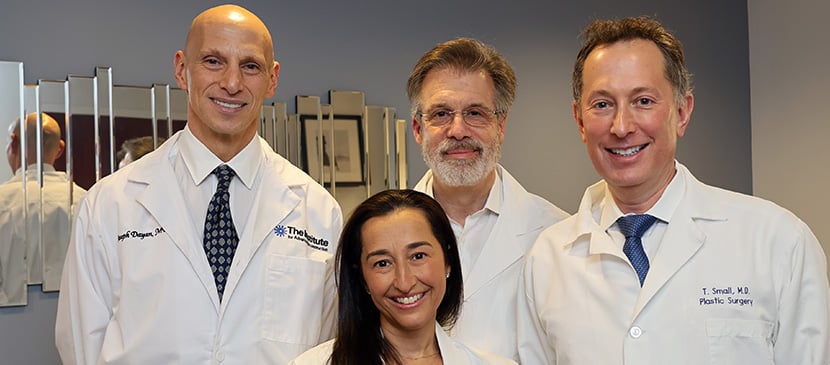
Why Trust The Institute of New Jersey

One of the Few U.S. Centers Specializing in Surgical Treatment for Compression-Related Neuropathy

The Institute is a national referral destination for patients with burning, numbness, and weakness caused by nerve compression. Our team performs one of the highest volumes of nerve decompression procedures in the country—bringing together deep diagnostic insight and microsurgical expertise to treat neuropathy at the source.


Surgical Expertise That Begins With the Nerve

Unlike general neurology or pain clinics, our program is built around the peripheral nerve itself. Our surgeons are fellowship-trained in advanced nerve decompression techniques and have performed hundreds of procedures to treat neuropathy caused by entrapment or injury—restoring function and sensation where others may see only symptoms.


Technology Designed for Precision Nerve Surgery

We use high-magnification surgical optics, intraoperative nerve monitoring, and delicate microsurgical instruments to decompress nerves at known anatomical pinch points—such as the tarsal tunnel, fibular neck, and peroneal groove—while protecting surrounding tissue and promoting long-term recovery.


Up to 90% of Patients Report Lasting Relief

In patients with compression-related neuropathy, studies show that up to 90% experience meaningful improvements in pain, sensation, and function after nerve decompression—often after years of frustrating, ineffective treatments.

Meet New Jersey's Top
Nerve Surgery Experts

Hamid Abdollahi, MD, FACS

Plastic & Reconstructive Surgeon

Peter Andrawes, MD

Plastic & Reconstructive Surgeon

Russell Ashinoff, MD, FACS

Plastic & Reconstructive Surgeon

Eric I. Chang, MD, FACS

Plastic & Reconstructive Surgeon

Kari L. Colen, MD, FACS

Plastic & Reconstructive Surgeon

Joseph Dayan, MD, MBA

Plastic & Reconstructive Surgeon

Stephen Dudick, MD

Plastic & Reconstructive Surgeon

Patrick Greaney, MD, FACS

Plastic & Reconstructive Surgeon

Ritwik Grover, MD, FACS

Plastic & Reconstructive Surgeon

Zuhaib Ibrahim, MD, FACS

Plastic & Reconstructive Surgeon

Reza Jarrahy, MD, FACS, FAAP

Plastic, Reconstructive, & Craniofacial Surgeon

Karen Kaplan, MD

Plastic & Reconstructive Surgeon

Matthew Kaufman, MD, FACS

Plastic & Reconstructive Surgeon

Chris Lakhiani, MD, FACS

Plastic & Reconstructive Surgeon

Matthew Lynch, MD

Plastic & Reconstructive Surgeon

Ahmed Nasser, MD

Plastic & Reconstructive Surgeon

Robert T. Nevitt III, MD

Plastic & Reconstructive Surgeon

Tushar Patel, MD, FACS

Plastic & Reconstructive Surgeon

Deepak Ramesh, MD

Oculofacial Plastic Surgeon

David Rayfield, MD

Plastic & Reconstructive Surgeon

Michael Rose, MD, FACS

Plastic & Reconstructive Surgeon

Adam Saad, MD, FACS

Plastic & Reconstructive Surgeon

Tzvi Small, MD, FACS

Plastic & Reconstructive Surgeon

Mohit Sood, DO

Plastic & Reconstructive Surgeon

Hakan Usal, MD

Plastic & Reconstructive Surgeon

Jonathan Weiswasser, MD, FACS

Vascular Surgeon

Mark Yazid, MD

Plastic & Reconstructive Surgeon

Still Struggling With Numbness or Tingling? Let’s Fix That.

If you’re living with unresolved neuropathy—or treating a patient who is—our team is here to help. With advanced surgical expertise and proven results, we offer real hope for lasting relief.

Now seeing patients at 30+ locations across New Jersey.

FAQs

Will I have visible scars after nerve decompression surgery?
In most cases, the incisions are small—often just a few centimeters—and placed in natural skin folds or low-visibility areas. Scars typically fade over time and are considered minimal compared to the functional improvements many patients experience.
What are the risks of nerve decompression surgery?

As with any surgery, there are risks—including infection, bleeding, or nerve irritation. However, when performed by experienced nerve specialists, decompression is a low-complication outpatient procedure. We use microsurgical techniques and real-time nerve monitoring to maximize safety and precision.

Are there other treatment options for neuropathy besides surgery?

Yes. Many patients try medications, physical therapy, orthotics, or topical treatments first. But if your symptoms persist—and diagnostic testing shows nerve compression—surgery may be the only way to relieve the pressure and restore function.

How do you know if you have neuropathy?

Common signs include numbness, tingling, burning pain, or weakness in the hands, arms, feet, or legs. Diagnosis is typically confirmed through a physical exam, nerve testing (EMG, PSSD), and medical history. We offer comprehensive evaluations to determine if your symptoms are related to nerve compression.

When should I worry about numbness or tingling in my hands or feet?

If symptoms are constant, worsening, or interfering with your daily life—it’s time to get evaluated. Nerve compression can worsen over time, and early intervention can help prevent permanent damage or complications like falls or foot ulcers.