NOW IN NETWORK WITH BLUE CROSS BLUE SHIELD AND CIGNA

What Causes Pudendal Neuralgia?

Pudendal neuralgia occurs when the pudendal nerve—responsible for sensation and muscle control in the pelvic floor, perineum, and genitals—becomes compressed, irritated, or damaged. This can happen at several points along the nerve’s pathway, including Alcock’s canal or between pelvic ligaments.

The pudendal nerve can be affected by a variety of factors, such as prolonged sitting, cycling, falls on the tailbone, childbirth, pelvic surgery, or chronic pelvic floor dysfunction. Compression can trigger burning, stabbing, numb, or aching pain that often worsens with sitting, bowel movements, urination, or intimacy.

Our nerve surgery experts routinely travel to New Jersey to offer access to advanced diagnostics and specialized surgical treatment for this complex and often misdiagnosed condition.

DrSmallConsult2

Check Your Symptoms: Are You Experiencing Any of the Following?

  • Pelvic, perineal, or genital pain that worsens when sitting

  • Burning, stabbing, numbness, or unusual temperature sensations in the pudendal nerve territory

  • Pain following bowel movements, urination, or sexual activity

  • A constant feeling of a lump or foreign body in the vagina or rectum

  • Difficulty fully emptying the bladder or bowels, or urinary burning after urination

  • Pain that builds gradually throughout the day or lingers long after activity

If you said yes to any of the above, you may be a candidate for pudendal nerve decompression surgery.

What Is Pudendal Nerve Decompression Surgery for Groin Pain?

This specialized microsurgical procedure relieves pressure on the pudendal nerve at common entrapment points. Using high-powered magnification and real-time nerve monitoring, our surgeons free the nerve from surrounding tissues or ligaments causing compression.

By releasing these pressure points, nerve health can improve and pain signals can diminish—restoring comfort, mobility, and quality of life. In properly selected candidates, up to 85% experience long-lasting relief from symptoms that have persisted for months or years.

Find Out If You’re Eligible for Pudendal Nerve Decompression Surgery in New Jersey

See How We’re Changing Lives,
One Patient at a Time

Chris’s Story: Pelvic Nerve Decompression for Chronic Pelvic Pain Relief
chrisstory
“After surgery, I was up and walking that night. The pain was minimal at most.”
David’s Life-Changing Recovery After Pudendal Neuralgia Surgery with Dr. Small
maxresdefault (8)
“I'm very grateful for the experience...and to be on this road to recovery.”
Lauryn’s Story: Nerve Decompression After UTI Pain Misdiagnosis
lauren story
“Please have faith—this doesn’t have to be the rest of your life.”
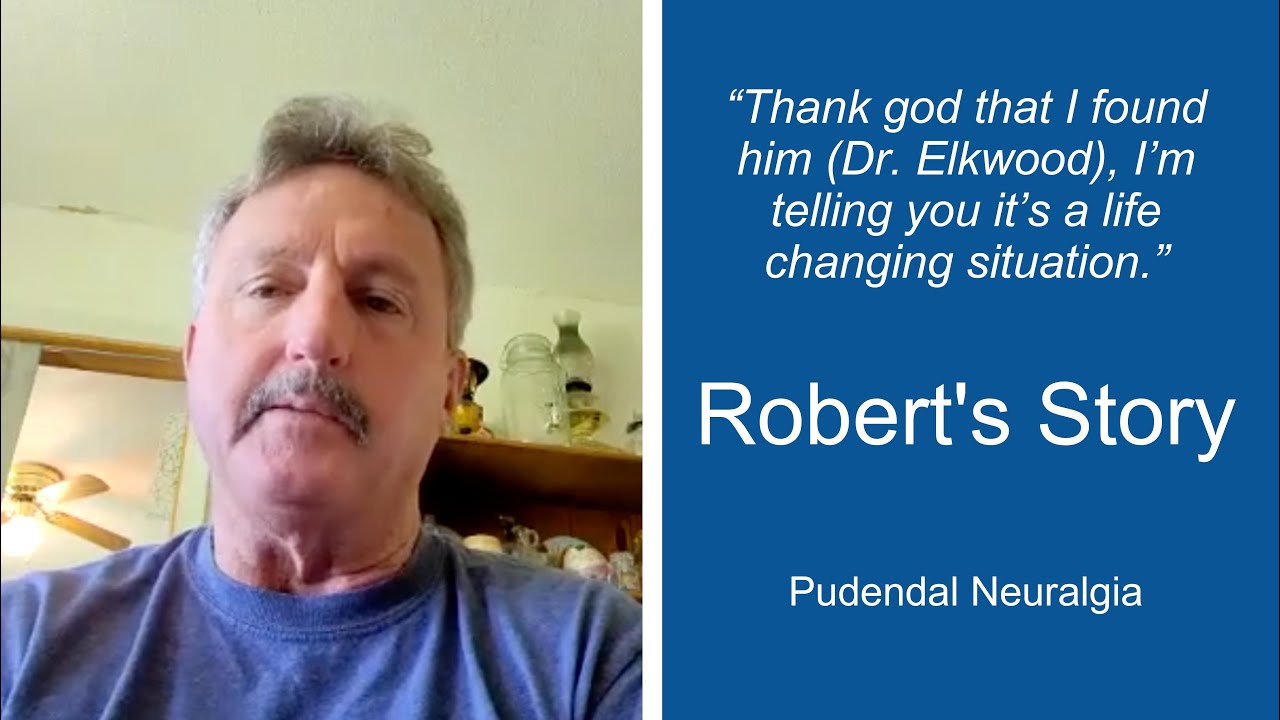
Robert’s Story: Nerve Decompression After Prostate Cancer and Radiation Damage
robertstory
“I’m telling you—it’s a life-changing situation.”
Amazing Recovery After Pelvic Outlet Release | Dr. Small's Patient Success Story
Dr. Small's Patient Success Story
“I almost lost the hope...but as you can see now, I'm sitting normally.”
Barbara's Debilitating Pelvic Pain Solved | Pudendal Neuralgia
patient story
“Since my surgery. that pain has all gone away.”

What Are the Benefits of Pudendal Nerve Decompression Surgery?

Pelvic Outlet Syndrome (T2)_icon-sitting-in-chair
Sit, drive, and work without debilitating pelvic pain
Pelvic Outlet Syndrome (T2)_icon-hands-and-heart
Regain comfort and confidence during intimacy
icon-Patient-Centered Care-circle
Improve or resolve nerve-related bladder and bowel issues
Pelvic Outlet Syndrome (T2)_icon-person-riding-bike
Move beyond the cycle of short-term relief from therapy or injections

Am I a Candidate for Nerve Decompression Surgery?

You may be a candidate for nerve decompression surgery if you’ve tried conservative treatments without relief and your symptoms suggest nerve compression. A nerve block or specialized imaging may help confirm the diagnosis.

You may qualify if you:

  • Have pelvic, perineal, or genital pain that worsens with sitting
  • Experience bowel, bladder, or sexual dysfunction without clear cause
  • Had temporary relief from a pudendal nerve block
  • Were misdiagnosed with IBS, vulvodynia, prostatitis, or other conditions
  • Are emotionally and physically ready for surgical recovery

Am I a Candidate for Nerve Decompression Surgery
Why is Pelvic Outlet Syndrome Often Misdiagnosed

Why is Pudendal Neuralgia Often Misdiagnosed?

Symptoms can mimic gynecologic, urologic, colorectal, or musculoskeletal conditions. Without a nerve-focused evaluation, patients may spend years without answers. Our team specializes in identifying pudendal nerve entrapment through advanced diagnostics and multidisciplinary collaboration—bringing clarity to complex, unresolved pelvic pain cases.


Why is Pelvic Outlet Syndrome Often Misdiagnosed

Considering Nerve Decompression Surgery? What To Expect:

Precision Diagnostics

Every patient undergoes a structured pelvic nerve workup—which may include an MRI of the pelvis and lumbar spine, image-guided pudendal nerve blocks, or EMG of the lower extremities. When indicated, we coordinate with urology, gynecology, colorectal, and spine specialists to rule out overlapping causes. This systematic approach ensures that nerve compression is clearly identified—and not mistaken for muscular, GI, or pelvic organ pain.

Tailored Surgery

Our nerve surgeons perform pudendal nerve decompression using advanced microsurgery techniques. This involves carefully relieving pressure on the nerve in areas where it’s most commonly trapped. We use high-powered magnification and real-time nerve monitoring to make the procedure as safe and precise as possible—so we can protect surrounding structures and maximize your chances of long-term relief.

Rapid Recovery

Most procedures are done on an outpatient basis with no overnight hospital stay. Patients typically return to light activity within 2–3 weeks, with full recovery—including nerve regeneration—progressing over 6 to 12 months, depending on the severity and duration of symptoms.

Why Trust The Institute of New Jersey?

Why Trust The Institute of New Jersey

Nerve-First Surgical Expertise

We lead with the nerve—treating the root cause of pelvic pain, not just the symptoms. Our team has performed hundreds of pudendal nerve decompressions, making us one of the most experienced centers in the U.S.

Proven Surgical Outcomes

Studies show up to 85% of properly selected patients experience significant relief from pudendal nerve decompression—especially when performed by specialists like those at The Institute.

Microsurgical Precision That Improves Recovery

We use advanced imaging and microsurgical techniques to minimize tissue damage and nerve irritation—helping reduce complications and support faster healing.

Meet New Jersey's Top
Nerve Surgery Experts

Hamid Abdollahi, MD, FACS

Plastic & Reconstructive Surgeon

Peter Andrawes, MD

Plastic & Reconstructive Surgeon

Russell Ashinoff, MD, FACS

Plastic & Reconstructive Surgeon

Eric I. Chang, MD, FACS

Plastic & Reconstructive Surgeon

Kari L. Colen, MD, FACS

Plastic & Reconstructive Surgeon

Joseph Dayan, MD, MBA

Plastic & Reconstructive Surgeon

Stephen Dudick, MD

Plastic & Reconstructive Surgeon

Patrick Greaney, MD, FACS

Plastic & Reconstructive Surgeon

Ritwik Grover, MD, FACS

Plastic & Reconstructive Surgeon

Zuhaib Ibrahim, MD, FACS

Plastic & Reconstructive Surgeon

Reza Jarrahy, MD, FACS, FAAP

Plastic, Reconstructive, & Craniofacial Surgeon

Karen Kaplan, MD

Plastic & Reconstructive Surgeon

Matthew Kaufman, MD, FACS

Plastic & Reconstructive Surgeon

Chris Lakhiani, MD, FACS

Plastic & Reconstructive Surgeon

Matthew Lynch, MD

Plastic & Reconstructive Surgeon

Ahmed Nasser, MD

Plastic & Reconstructive Surgeon

Robert T. Nevitt III, MD

Plastic & Reconstructive Surgeon

Tushar Patel, MD, FACS

Plastic & Reconstructive Surgeon

Deepak Ramesh, MD

Oculofacial Plastic Surgeon

David Rayfield, MD

Plastic & Reconstructive Surgeon

Michael Rose, MD, FACS

Plastic & Reconstructive Surgeon

Adam Saad, MD, FACS

Plastic & Reconstructive Surgeon

Tzvi Small, MD, FACS

Plastic & Reconstructive Surgeon

Mohit Sood, DO

Plastic & Reconstructive Surgeon

Hakan Usal, MD

Plastic & Reconstructive Surgeon

Jonathan Weiswasser, MD, FACS

Vascular Surgeon

Mark Yazid, MD

Plastic & Reconstructive Surgeon

Still in Pain? Let’s Fix That.

If you’re living with unresolved pelvic pain—or treating a patient who is—our team is here to help. With advanced surgical expertise and proven results, we offer real hope for lasting relief.

Now seeing patients at 30+ locations across New Jersey.

Frequently Asked Questions

What are the red flags for pelvic pain that may suggest pudendal neuralgia?
Pain that worsens with sitting, burning or stabbing pelvic pain, discomfort with intimacy, numbness, or sensation changes in the pudendal nerve region.
How is pudendal neuralgia diagnosed?

Diagnosis often combines a detailed history, physical exam, MR neurography, and a positive response to an image-guided pudendal nerve block.

What are the risks of pudendal nerve surgery?

As with any surgery, risks include infection, bleeding, or scar tissue. However, complications are rare when performed by experienced surgeons using microsurgical techniques, like those at The Institute for Advanced Reconstruction.

What if I’ve already tried pelvic floor therapy or injections?

Many of our patients have. If those options provided only temporary relief or no improvement, decompression surgery may offer a more lasting solution.

Is this the same as a spinal or gynecologic surgery?

No. Pudendal nerve decompression is a nerve-specific procedure performed by surgeons trained in microsurgery and pelvic nerve anatomy. It is not a urologic, gynecologic, or spinal operation.

Will pudendal neuralgia go away on its own?

In some mild cases, symptoms may improve with rest or conservative care. But for many patients, pudendal neuralgia does not resolve on its own and may worsen over time without targeted treatment, especially if caused by ongoing nerve compression.

Will surgery cure pudendal neuralgia?

While no procedure can guarantee a cure, pudendal nerve decompression can significantly reduce symptoms and improve quality of life when entrapment is the primary cause.