NOW IN NETWORK WITH BLUE CROSS BLUE SHIELD AND CIGNA

What Causes Pelvic Outlet Syndrome?

Pelvic Outlet Syndrome happens when nerves in the lower pelvis—especially the pudendal nerve—become compressed or irritated. The pudendal nerve controls sensation and function in the genitals, rectum, and perineum (the area between the genitals and the anus). When the pudendal nerve is compressed or irritated, it can lead to a painful condition known as pudendal neuralgia, causing sharp, burning, or aching pain with sitting, intimacy, or everyday movement. This type of nerve compression can result from injury, surgery, prolonged sitting, or even childbirth.

Our nerve surgery experts routinely travel across New Jersey to provide patients with access to the most advanced diagnostic tools and surgical care available for pelvic nerve conditions.

DrSmallConsult2

Check Your Symptoms: Are You Experiencing Any of the Following?

  • Pain in the groin or pressure when sitting, especially on hard surfaces
  • Burning, stabbing, or numb sensations in the pelvic or genital area
  • Pain after bowel movements, urination, or sexual activity
  • A constant feeling of “something there”—like you’re sitting on a foreign object
  • Trouble emptying your bladder or bowels
  • Pain that worsens throughout the day or after prolonged activity
If you said yes to any of the above, you may be a candidate for nerve decompression surgery.

What is Nerve Decompression Surgery for Groin Pain?

Nerve decompression is a precise, microsurgical procedure designed to relieve pressure on nerves that are compressed within the pelvic outlet (the lower area of the pelvis). In patients with pudendal neuralgia, the pudendal nerve is carefully freed from surrounding tissues that may be pressing on it or causing irritation. By releasing this pressure, the nerve can begin to heal—reducing pain, restoring function, and improving quality of life. 

Many patients experience relief from symptoms like burning pelvic pain, pain with sitting or intimacy, numbness, and chronic discomfort that disrupts daily life. In the right candidates, up to 85% report significant and lasting improvement, even after years of unsuccessful treatment.

Find Out If You’re Eligible for Pelvic Outlet Syndrome Surgery in New Jersey

See How We’re Changing Lives,
One Patient at a Time

Chris’s Story: Pelvic Nerve Decompression for Chronic Pelvic Pain Relief
chrisstory
“After surgery, I was up and walking that night. The pain was minimal at most.”
David’s Life-Changing Recovery After Pudendal Neuralgia Surgery with Dr. Small
maxresdefault (8)
“I'm very grateful for the experience...and to be on this road to recovery.”
Lauryn’s Story: Nerve Decompression After UTI Pain Misdiagnosis
lauren story
“Please have faith—this doesn’t have to be the rest of your life.”
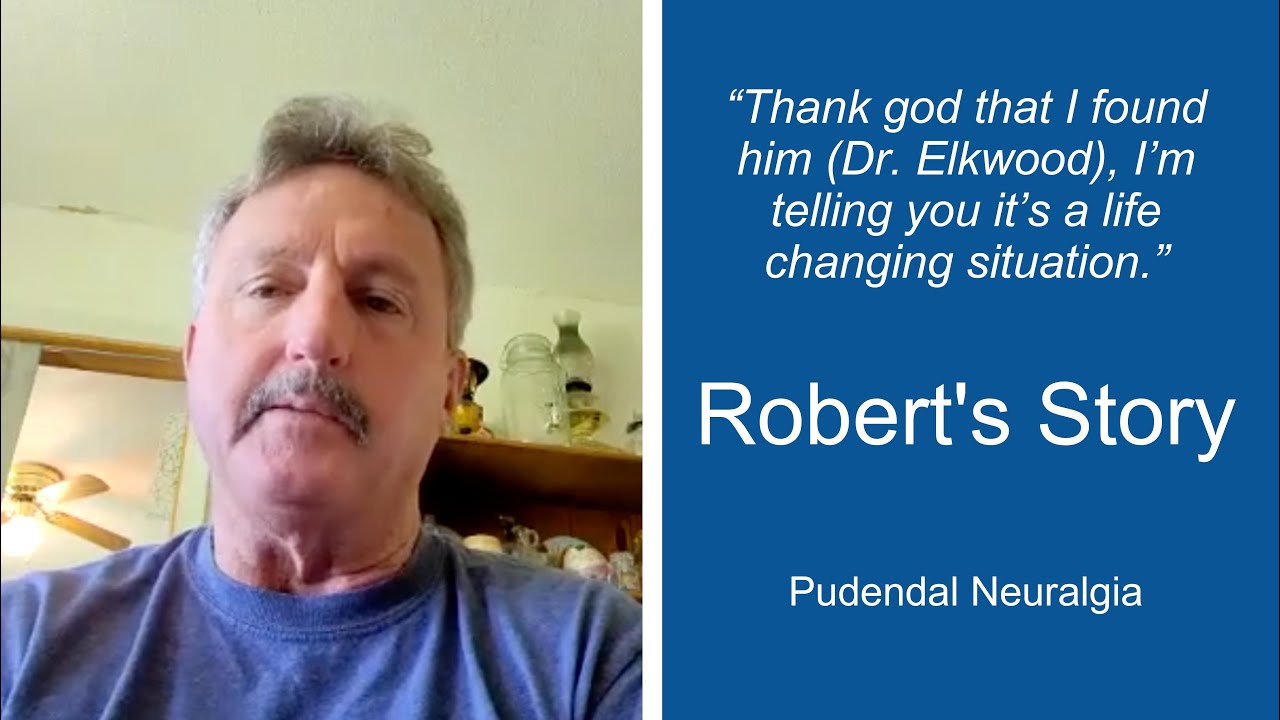
Robert’s Story: Nerve Decompression After Prostate Cancer and Radiation Damage
robertstory
“I’m telling you—it’s a life-changing situation.”
Amazing Recovery After Pelvic Outlet Release | Dr. Small's Patient Success Story
Dr. Small's Patient Success Story
“I almost lost the hope...but as you can see now, I'm sitting normally.”

What Are the Benefits of Nerve Decompression Surgery?

Pelvic Outlet Syndrome (T2)_icon-sitting-in-chair
Get back to sitting, driving, and working comfortably.
Pelvic Outlet Syndrome (T2)_icon-hands-and-heart
Reconnect with loved ones without pain interfering.
Pelvic Outlet Syndrome (T2)_icon-thumbs-up
Feel confident and at ease during intimacy.
Pelvic Outlet Syndrome (T2)_icon-person-riding-bike
Break free from the cycle of failed treatments and frustration.

Am I a Candidate for Nerve Decompression Surgery?

You may be a candidate for nerve decompression surgery if you’ve tried conservative treatments without relief and your symptoms suggest nerve compression. A nerve block or specialized imaging may help confirm the diagnosis.

You may qualify if you:

  • Have pelvic, perineal, or genital pain that worsens with sitting
  • Experience bowel, bladder, or sexual dysfunction without clear cause
  • Had temporary relief from a pudendal nerve block
  • Were misdiagnosed with IBS, vulvodynia, prostatitis, or other conditions
  • Are emotionally and physically ready for surgical recovery

Am I a Candidate for Nerve Decompression Surgery
Why is Pelvic Outlet Syndrome Often Misdiagnosed

Why is Pelvic Outlet Syndrome Often Misdiagnosed?

Pelvic Outlet Syndrome can mimic gynecologic, urologic, or gastrointestinal disorders—making it difficult to identify without specialized testing. Many patients arrive at The Institute of New Jersey after working closely with trusted providers, but still without answers. We specialize in identifying nerve entrapment as an often-overlooked source of pelvic pain—particularly in patients who haven’t found answers through traditional evaluations. By collaborating across specialties, we combine advanced diagnostic tools with deep expertise in peripheral nerve disorders to bring clarity to even the most complex, unresolved cases.

Why is Pelvic Outlet Syndrome Often Misdiagnosed

Considering Nerve Decompression Surgery? What To Expect:

Precision Diagnostics

Every patient undergoes a structured pelvic nerve workup—which may include an MRI of the pelvis and lumbar spine, image-guided pudendal nerve blocks, or EMG of the lower extremities. When indicated, we coordinate with urology, gynecology, colorectal, and spine specialists to rule out overlapping causes. This systematic approach ensures that nerve compression is clearly identified—and not mistaken for muscular, GI, or pelvic organ pain.

Tailored Surgery

Our nerve surgeons perform pudendal nerve decompression using advanced microsurgery techniques. This involves carefully relieving pressure on the nerve in areas where it’s most commonly trapped. We use high-powered magnification and real-time nerve monitoring to make the procedure as safe and precise as possible—so we can protect surrounding structures and maximize your chances of long-term relief.

Rapid Recovery

Most procedures are done on an outpatient basis with no overnight hospital stay. Patients typically return to light activity within 2–3 weeks, with full recovery—including nerve regeneration—progressing over 6 to 12 months, depending on the severity and duration of symptoms.

Why Trust The Institute of New Jersey?

Why Trust The Institute of New Jersey

Nerve-First Surgical Expertise

We lead with the nerve—treating the root cause of pelvic pain, not just the symptoms. Our team has performed hundreds of pelvic nerve decompressions, making us one of the most experienced centers in the U.S.

Proven Surgical Outcomes

Studies show up to 85% of properly selected patients experience significant relief from pudendal nerve decompression—especially when performed by specialists like those at The Institute.

Microsurgical Precision That Improves Recovery

We use advanced imaging and microsurgical techniques to minimize tissue damage and nerve irritation—helping reduce complications and support faster healing.

Meet New Jersey's Top
Nerve Surgery Experts

Hamid Abdollahi, MD, FACS

Plastic & Reconstructive Surgeon

Peter Andrawes, MD

Plastic & Reconstructive Surgeon

Russell Ashinoff, MD, FACS

Plastic & Reconstructive Surgeon

Eric I. Chang, MD, FACS

Plastic & Reconstructive Surgeon

Kari L. Colen, MD, FACS

Plastic & Reconstructive Surgeon

Joseph Dayan, MD, MBA

Plastic & Reconstructive Surgeon

Stephen Dudick, MD

Plastic & Reconstructive Surgeon

Patrick Greaney, MD, FACS

Plastic & Reconstructive Surgeon

Ritwik Grover, MD, FACS

Plastic & Reconstructive Surgeon

Zuhaib Ibrahim, MD, FACS

Plastic & Reconstructive Surgeon

Reza Jarrahy, MD, FACS, FAAP

Plastic, Reconstructive, & Craniofacial Surgeon

Karen Kaplan, MD

Plastic & Reconstructive Surgeon

Matthew Kaufman, MD, FACS

Plastic & Reconstructive Surgeon

Chris Lakhiani, MD, FACS

Plastic & Reconstructive Surgeon

Matthew Lynch, MD

Plastic & Reconstructive Surgeon

Ahmed Nasser, MD

Plastic & Reconstructive Surgeon

Robert T. Nevitt III, MD

Plastic & Reconstructive Surgeon

Tushar Patel, MD, FACS

Plastic & Reconstructive Surgeon

Deepak Ramesh, MD

Oculofacial Plastic Surgeon

David Rayfield, MD

Plastic & Reconstructive Surgeon

Michael Rose, MD, FACS

Plastic & Reconstructive Surgeon

Adam Saad, MD, FACS

Plastic & Reconstructive Surgeon

Tzvi Small, MD, FACS

Plastic & Reconstructive Surgeon

Mohit Sood, DO

Plastic & Reconstructive Surgeon

Hakan Usal, MD

Plastic & Reconstructive Surgeon

Jonathan Weiswasser, MD, FACS

Vascular Surgeon

Mark Yazid, MD

Plastic & Reconstructive Surgeon

Still in Pain? Let’s Fix That.

If you’re living with unresolved pelvic pain—or treating a patient who is—our team is here to help. With advanced surgical expertise and proven results, we offer real hope for lasting relief.

Now seeing patients at 30+ locations across New Jersey.

Frequently Asked Questions

What are the red flags for pelvic pain that may suggest a nerve problem?
Pain that worsens with sitting, sharp or burning sensations in the pelvic area, pain with intimacy, numbness, or pain that hasn’t improved with physical therapy or medications may point to a nerve-related issue like pudendal neuralgia.
How do I know if my pelvic pain is nerve-related?

If your symptoms worsen with sitting, occur after bowel movements or intimacy, or involve numbness or tingling, you may have pudendal nerve compression. A diagnostic nerve block can help confirm this.

What are the risks of pudendal nerve surgery?

As with any surgery, risks include infection, bleeding, or scar tissue. However, complications are rare when performed by experienced surgeons using microsurgical techniques, like those at The Institute for Advanced Reconstruction.

What if I’ve already tried pelvic floor therapy or injections?

Many of our patients have. If those options provided only temporary relief or no improvement, decompression surgery may offer a more lasting solution.

Is this the same as a spinal or gynecologic surgery?

No. Pudendal nerve decompression is a nerve-specific procedure performed by surgeons trained in microsurgery and pelvic nerve anatomy. It is not a urologic, gynecologic, or spinal operation.

Will pudendal neuralgia go away on its own?

In some mild cases, symptoms may improve with rest or conservative care. But for many patients, pudendal neuralgia does not resolve on its own and may worsen over time without targeted treatment, especially if caused by ongoing nerve compression.

Will surgery cure pelvic outlet syndrome?

Surgery is not guaranteed to “cure” the condition, but in experienced hands, pudendal nerve decompression can significantly reduce symptoms and improve quality of life. Many patients experience lasting relief—especially when the nerve is the primary cause of pain.